Quizzes That Teach Across Every Generation
The best online quizzes work because they turn learning into a game without losing the lesson. A good quiz asks the brain to retrieve information, and that act of pulling an answer back from memory can strengthen recall far more effectively than passively reading the same material again. That is why a quick round of questions on history, geography, science, or language can feel light and playful while still doing serious educational work.
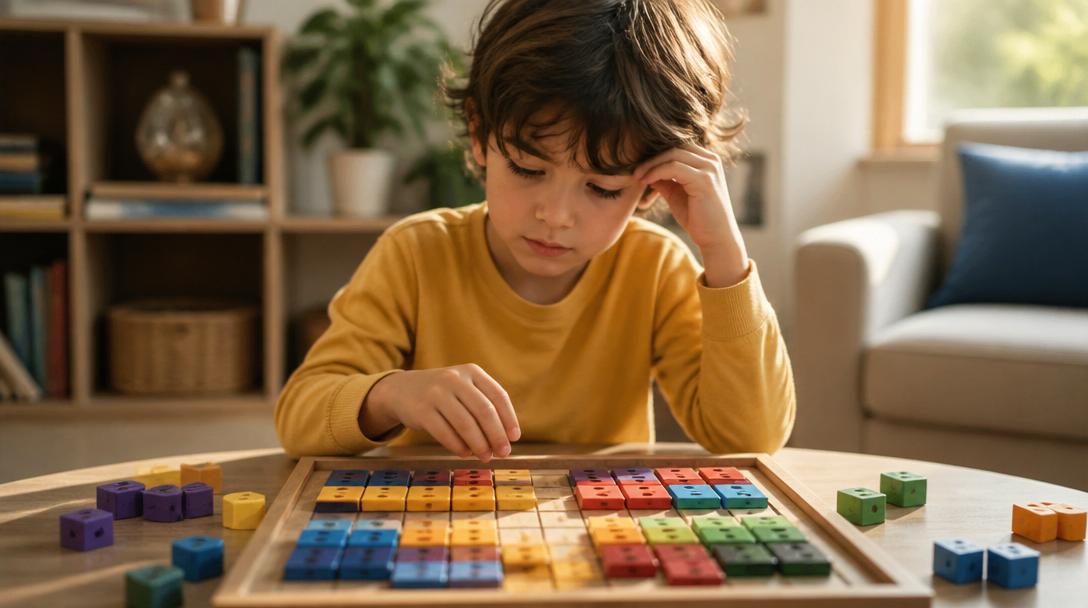
For children, quizzes are especially useful when they are short, colourful, and tied to familiar subjects. A five-minute quiz on animals, capitals, or spelling can feel less like homework and more like a challenge to beat a previous score. Parents and teachers often find that children are more willing to revisit material when the format looks like a game, especially if the questions are clear and the feedback is immediate. A wrong answer is not the end of the exercise; it simply becomes another chance to learn the fact properly the next time.
Teenagers and adults benefit in a slightly different way. Online quizzes can fill small gaps in knowledge, reinforce classroom learning, and offer a quick way to revise before an exam or a work training session. They are also useful for people who want to learn outside formal study, whether that means brushing up on world geography, exploring literature, or keeping up with current affairs. Because many quizzes can be taken on a phone, they fit into spare moments that might otherwise be spent scrolling through content with little educational value.
The real strength of quizzes is their flexibility across age groups. A family can use the same platform in very different ways, with younger children answering picture-based questions, older children tackling subject revision, and adults choosing more demanding topics. That shared experience can make learning feel social rather than solitary, which matters because people often stay motivated when they can compare scores, talk through mistakes, or simply enjoy a bit of friendly competition. In that sense, a quiz can become a small event in the day rather than another task to get through.
For older adults, quizzes can be a pleasant way to keep the mind active while revisiting subjects from school, work, or everyday life. Many people enjoy questions about classic films, history, music, or language because the topics can trigger memory and conversation at the same time. A quiz can also offer a gentle route into unfamiliar material, making new information feel less intimidating than a long article or lesson. When the tone is welcoming and the pace is manageable, the experience can be both stimulating and confidence-building.
Of course, not every quiz is educational just because it has questions on the screen. The most useful ones are carefully written, accurate, and matched to the person taking them. If the questions are too easy, the quiz becomes empty entertainment; if they are too hard, it can feel discouraging. Good quiz design strikes a balance, giving enough challenge to hold attention while making sure the participant can still learn something from every round.
Feedback is another crucial part of the process. A quiz that explains the correct answer, even briefly, turns a mistake into a teaching moment and helps the learner remember the fact later. That is especially important for children, who often benefit from immediate correction, and for adults revising subjects they have not studied in years. A plain score can be fun, but a score plus explanation is far more valuable educationally.
Online quizzes also work well when they are used regularly but not obsessively. A steady habit of short sessions is often more effective than one long burst, particularly for language learning, general knowledge, or exam preparation. The goal is not to cram in as many questions as possible, but to keep returning to key ideas in a way that feels fresh. That repetition, spread over time, helps knowledge settle in more securely.
What makes quizzes especially appealing is that they remove some of the pressure from learning. People who might feel nervous about making mistakes in a classroom can answer questions privately, try again, and build confidence at their own pace. That freedom matters for all ages, from a child learning times tables to an adult taking up a new hobby or revising a skill for work. When education feels approachable, curiosity tends to last longer, and that is where online quizzes can quietly do their best work.