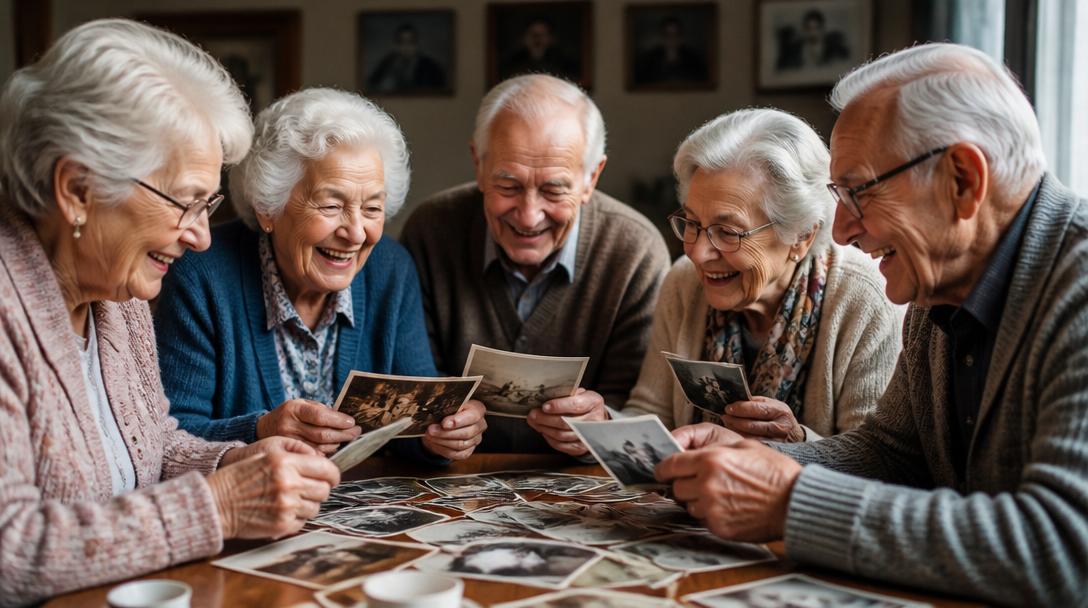
Memory Lane Quizzes Bring the Past Alive
There is a reason memory lane trivia keeps turning up at kitchen tables, pub nights, and family gatherings. It offers the rare satisfaction of recognising something before you can fully explain it, which is a very human kind of delight. A question about a classic television theme tune, a famous monarch, or the capital of a far-off country can summon a school assembly, a rainy holiday, or a long-ago conversation in seconds.
That instant of recognition is what makes general knowledge quizzes so appealing. They do not ask you to be an expert in one field; instead, they reward the broad, messy sort of learning that builds up over years. Most of us know a little history, a little geography, a little pop culture, and a few facts picked up from newspapers, documentaries, and dinner-table debates. Put those scraps together, and suddenly a quiz becomes less like an exam and more like a tour through the places your mind has visited before.
Part of the charm lies in the way memory works under pressure. A clue can seem impossible for a moment, then arrive just when you stop forcing it. Psychologists have long noted that recall is often helped by cues, which is why a line from a song can unlock the title, or a picture of an old sweet wrapper can bring back a whole era. Quizzes take advantage of that effect, turning ordinary recollection into a small dramatic event.
The best memory lane quizzes also mix the familiar with the slightly forgotten. Everyone expects questions about the Beatles, Winston Churchill, or the first man on the Moon, but the real fun often comes from the details that sit just outside easy reach. You may know that the Eiffel Tower is in Paris, yet hesitate when asked which river runs through it. You may remember a beloved children’s programme, but blank on the year it first appeared. That tension between certainty and uncertainty is what keeps people leaning in.
General knowledge has another advantage: it is democratic in a way that more specialised quizzes are not. A person who is not interested in cricket may still know a bit about the World Cup, while someone with no taste for opera might still recognise a famous aria from a film or advertisement. The same quiz can include history, sport, literature, science, and entertainment, giving different players a chance to shine. In a good game, one person’s weakness becomes another person’s moment to answer with confidence.
That variety also helps explain why these quizzes work so well across generations. Older players may remember the original broadcasts, first editions, and headlines that younger people only know through archives or reruns. Younger players may bring fresh knowledge from streaming, social media, and current affairs, which can balance out the older crowd’s advantage. When a quiz includes both a silent-film star and a streaming hit, it becomes less about age and more about how each of us has collected our own set of memories.
There is a social side to it too. People often laugh hardest at the answers they nearly knew, or at the absurdly obvious fact that escaped them for ten whole seconds. That shared embarrassment can be oddly comforting, because it proves that memory is slippery for everyone. A quiz night is at its best when the room is full of groans, quick corrections, and delighted gasps, all of which turn knowledge into entertainment.
Memory lane trivia also has a way of restoring the texture of everyday history. A question about a discontinued sweet, a long-gone television channel, or a famous election result can bring back the mood of a decade as much as the fact itself. The same is true of music, fashion, and old advertising slogans, which often survive in the mind long after the products have vanished. These details matter because they remind us that history is not only made of big events; it is also made of the things people hummed, bought, wore, and watched.
For that reason, a well-made quiz feels a little like opening a family photo album with no captions. You may not remember every name, but you recognise the atmosphere, the setting, and the moment. That is why general knowledge trivia remains such an easy sell: it flatters the memory, teases it, and then rewards it. The answer, when it finally arrives, does more than win a point; it briefly makes the past feel close enough to touch.