Dinosaur Trivia That Separates Fans From Experts
For a topic that has filled museums, schoolbooks and blockbuster films, dinosaurs still manage to surprise people. The biggest misconception is that they were all giant reptiles lumbering through swamps, when in fact they came in a huge range of sizes, shapes and lifestyles. Some were smaller than a chicken, some were feathered, and many were active animals that lived on land in ecosystems far more varied than the old swamp image suggests. If you want to judge your own trivia instincts, the first test is whether you can move beyond the most familiar names and the most repeated myths.
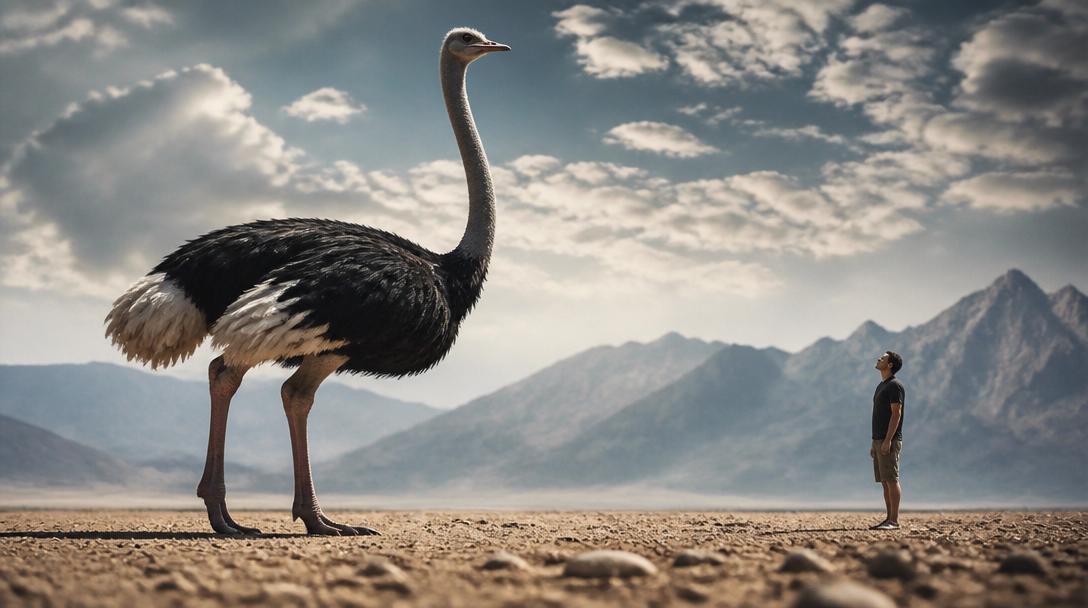
One of the clearest signs of real knowledge is understanding that birds are dinosaurs. That is not a cute comparison or a loose metaphor; birds are the living descendants of theropod dinosaurs, the group that included Tyrannosaurus rex and Velociraptor. This means dinosaurs did not simply vanish without a trace, even though the non-avian ones died out around 66 million years ago at the end of the Cretaceous Period. It also means that when someone says dinosaurs are extinct, the best response is usually a correction rather than an argument.
A serious trivia fan also knows that the famous creatures in popular culture are often not the ones that mattered most in scientific terms. T. rex gets the headlines, but it lived much later than the earliest dinosaurs and was only one branch on a much larger family tree. The first dinosaurs appeared during the Triassic Period, long before the Jurassic and Cretaceous worlds that dominate documentaries and toys. If a quiz asks which period saw the first dinosaurs, the answer is not the one most people instinctively choose after years of movie memorisation.
Another useful distinction is between what fossils show and what old reconstructions assumed. For decades, dinosaurs were often pictured as dull, grey-brown beasts, but preserved pigments and feather evidence have changed that picture dramatically. We cannot know the exact color of every species, yet science has shown that some dinosaurs had feathers, patterns and in some cases strikingly birdlike features. That matters in trivia because it exposes the habit of treating old textbook art as if it were a photograph.
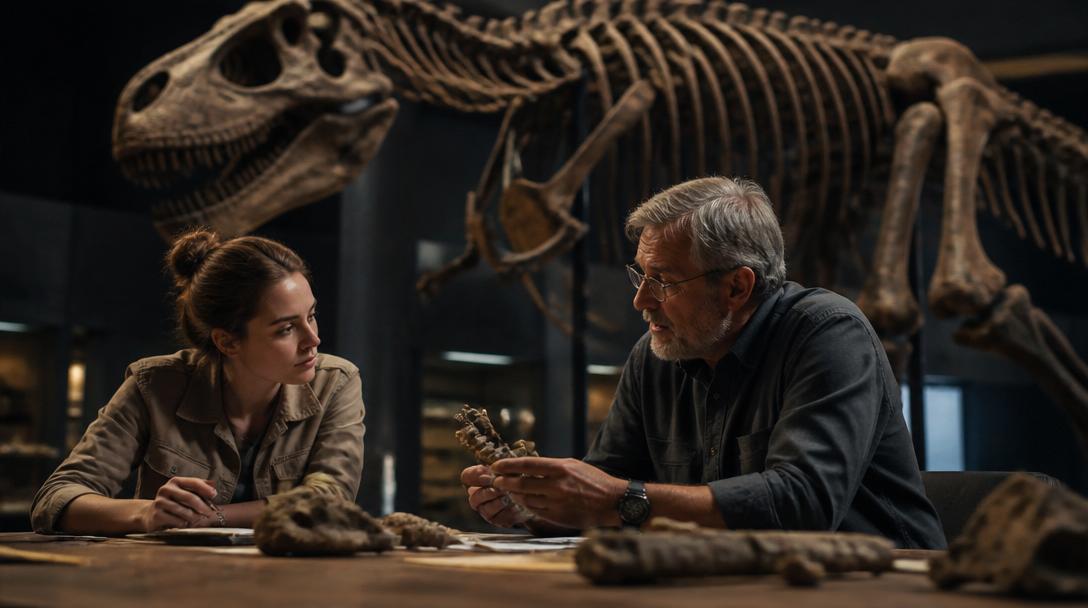
The same caution applies to speed and behaviour. Not every dinosaur was a fast predator, and not every large predator was a relentless killer in the Hollywood sense. Fossils can reveal bite marks, trackways, growth rates and bone structure, but they do not provide a complete movie of day-to-day life. A genuine expert knows how to separate evidence from speculation, and will admit when the fossil record leaves a question open. In a good quiz, that skill is often more valuable than memorising a single dramatic fact.
Size questions are another trap. Many people assume the biggest dinosaurs were all sauropods and that the word dinosaur itself refers to one giant kind of animal, but the family tree is much broader. Sauropods such as Argentinosaurus were among the largest land animals ever, yet theropods, stegosaurs, ceratopsians and hadrosaurs each represent very different designs and adaptations. Even within one group, there was astonishing variety, from the horned Triceratops to the duck-billed hadrosaurs that thrived in large herds. Trivia turns more interesting when you can identify those differences rather than lumping everything together.
The geography of dinosaur knowledge also catches people out. Dinosaurs were not just found in North America, where many famous fossils and museum displays have been unearthed. Their remains have been discovered on every continent, including Antarctica, which tells us how widespread they were across ancient landmasses. That global spread is one reason dinosaur trivia can range from named species to geology and plate tectonics, because the animals themselves were part of a changing planet, not a fixed backdrop.
Extinction questions reveal another layer of expertise. The asteroid impact at the end of the Cretaceous is widely accepted as a major cause of the mass extinction that wiped out the non-avian dinosaurs, but it was not the only factor in Earth’s history, and it did not erase all dinosaur life. The surviving birds are the living proof of that continuity. If you can explain that distinction clearly, you are already ahead of the version of dinosaur trivia that stops at a dramatic explosion in the sky.
What makes dinosaur trivia so satisfying is that it rewards curiosity as much as memory. The best questions do not just ask who was biggest or fiercest; they ask which animals had feathers, which lived earliest, which survived, and which assumptions turned out to be wrong. A real expert does not merely collect names from posters and films. They understand that dinosaurs were an enormous, varied chapter in Earth’s history, and that the smartest answer is often the one that sounds less like a fantasy and more like science.