Daily Brain Teasers That Sharpen Memory
Memory is not a single skill but a group of abilities working together, and that is why simple daily games can be so effective. When you try to remember a sequence, spot a pattern, or hold a clue in mind long enough to solve a riddle, you are asking the brain to coordinate attention and short-term storage. That kind of mental effort matters because attention is often the gateway to memory in the first place. If you never really register the details, there is little for the brain to retrieve later.
Free online brain teasers are popular because they make that effort feel light and immediate. A word puzzle that asks you to rearrange letters, a visual game that hides an object in plain sight, or a logic challenge that demands a careful next step can all keep the mind engaged without requiring special equipment. The appeal is not only convenience but variety, since different games exercise different mental habits. One day you may be matching shapes, the next you may be solving a sequence, and that mix helps prevent the experience from becoming automatic and dull.
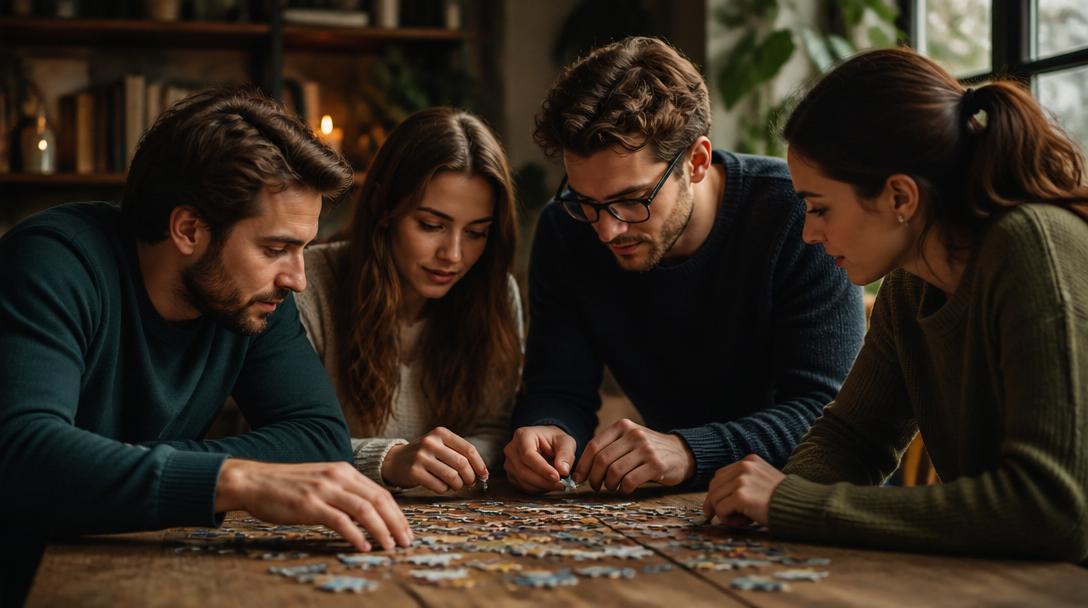
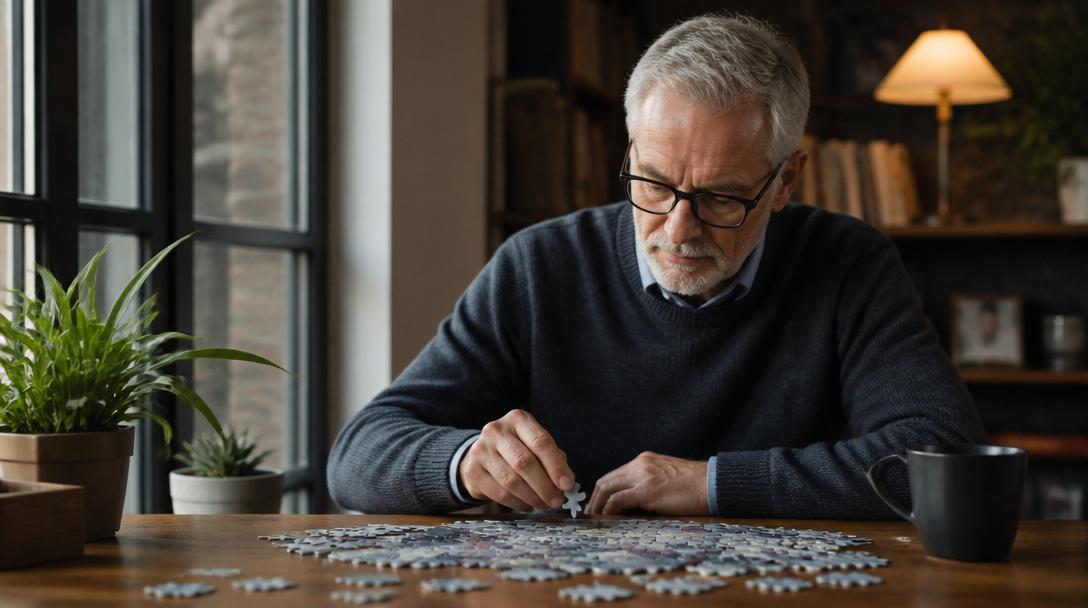
What matters most is not how long you play but how fully you pay attention while you do it. A five-minute puzzle completed while half-watching television is not the same as a focused session in which you are trying to remember clues, compare possibilities, and resist rushing. Many everyday memory slips come from distraction rather than age alone, which is why small moments of concentration can be useful training. The act of pausing to think carefully about a problem can strengthen the habit of noticing details before they slip away.
There is also a practical side to daily teasers that people often overlook. A brief game can serve as a mental warm-up before work, study, or any task that requires focus. Just as a runner loosens up before a race, a person can use a puzzle to get the brain moving with purpose. For someone who spends much of the day scanning messages and moving from one screen to another, a single concentrated challenge can feel like a reset. It encourages the mind to slow down, hold information, and work through a sequence instead of reacting instantly.
The best free games tend to be the ones that ask for active recall rather than passive recognition. Remembering a pattern after it disappears, matching a clue from memory, or reconstructing a sentence from fragments forces the brain to retrieve information instead of simply spotting the right answer among obvious choices. That retrieval effort is the point. It is one reason people often remember a puzzle better after they have struggled a little with it, because effort can make the experience more memorable than an easy win.
Daily brain teasers can also be a useful way to vary how you think, which is important for memory. Some puzzles rely on language, others on visual attention, and others on logic or sequencing, so they do not all train the mind in the same way. A person who enjoys crosswords may still benefit from a picture puzzle or a memory card game because each one asks the brain to work from a slightly different angle. That variety may be one reason free online games remain so appealing to such a broad audience.
The trick is to treat them as a habit rather than a one-off test. A single difficult puzzle will not transform memory overnight, but a regular routine can keep the mind alert and make focused thinking feel more natural. It helps to choose games that are challenging enough to require effort but not so hard that they become frustrating. When the balance is right, the game feels less like a chore and more like a small daily appointment with your own attention.
In the end, the real value of these teasers is that they make memory practice accessible. Anyone with a phone or laptop can spend a few quiet minutes working through clues, patterns, or sequences, and that small act can reinforce the skills the brain uses every day. Whether you are trying to remember a shopping list, a name, or the next step in a task, the habit of focused mental play can help keep recall sharp. The games are free, the commitment is tiny, and the payoff comes from making the mind work with a little more care.