Brain Quizzes Give Older Minds a Workout
Brain training quizzes have become a familiar feature of modern life, appearing in magazines, on websites and in community centres, but their appeal for seniors goes beyond simple entertainment. As people age, it is natural for some mental skills to change, particularly the speed at which information is processed or retrieved. That does not mean the mind stops being responsive, only that it benefits from regular use, much as the body does from a brisk walk or a gentle stretch.
Quizzes are especially useful because they ask the brain to do several things at once. A good general knowledge question may require memory, attention, language and reasoning, all working together in a few seconds. For older adults, that mix can feel satisfying in a way that passive screen time rarely does, because the brain is not just absorbing information but actively searching for it, comparing possibilities and making connections.
The value of quizzes lies partly in that mental effort, but also in the routine they create. Many seniors enjoy a daily crossword, a weekly pub quiz or a family trivia game because the format is familiar and reassuring. Repetition matters: when the brain revisits facts, patterns and vocabulary, it strengthens pathways that support recall, and the act of trying matters even when the answer does not come immediately.
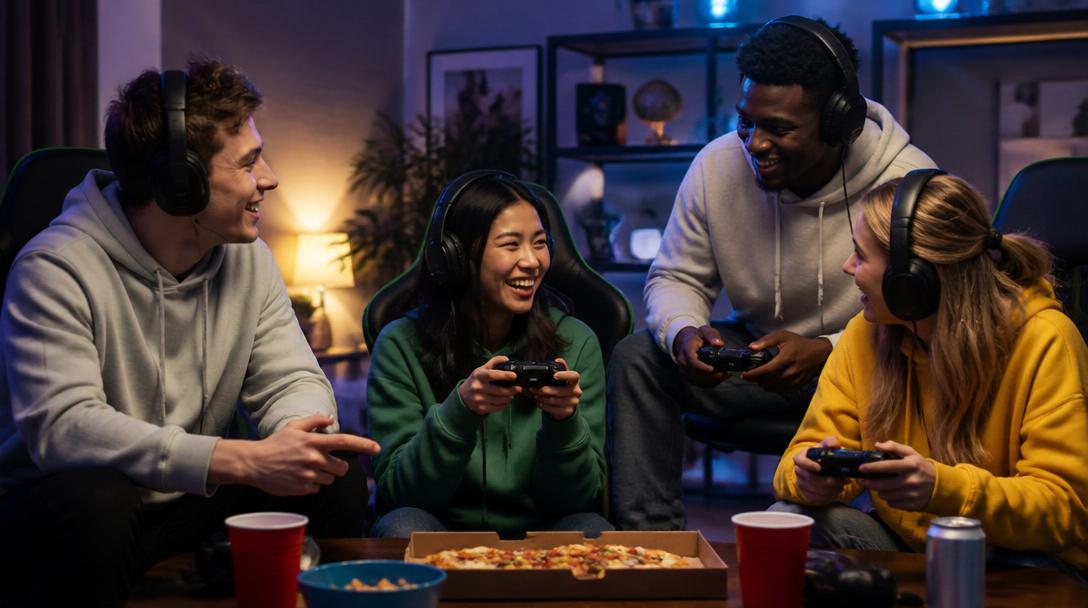
There is also a social side to all this, which is easy to overlook. A quiz shared with friends, neighbours or grandchildren can turn memory practice into conversation, laughter and a bit of friendly competition. That social engagement is important because older adults often benefit from activities that combine mental stimulation with connection, and quizzes can do both without feeling like a chore.
Different kinds of quizzes work in different ways. Word puzzles may help with vocabulary and verbal fluency, while picture-based rounds can prompt recognition and observation. History, geography, music and film questions all draw on stored knowledge, while logic puzzles and pattern games encourage flexible thinking. The best approach is usually variety, because a brain that is asked to switch tasks is a brain that stays more alert to change.
It is worth being realistic about what brain training quizzes can and cannot do. They are not a cure for age-related memory changes, and no puzzle can guarantee protection against dementia. What they can do is support an active lifestyle by keeping the mind busy, encouraging concentration and making learning feel enjoyable rather than forced. In that sense, quizzes are less about perfection and more about regular engagement.
For seniors who are just starting out, the most effective quiz habit is usually the one that feels enjoyable enough to repeat. A short session in the morning with a cup of tea, a game on a tablet after lunch or a shared quiz night once a week can all become useful routines. The key is to choose material that is challenging but not discouraging, since frustration can quickly turn a good habit into an abandoned one.
Practicality matters as well. Large print, clear layouts and uncluttered screens make quizzes easier to use, especially for people with weaker eyesight or arthritis. Audio questions can help too, and many older adults prefer formats that allow them to move at their own pace rather than racing a timer. Accessibility is not a luxury here; it is what makes the activity genuinely inclusive.
The strongest appeal of brain training quizzes is that they feel like play, not treatment. That matters because people are far more likely to stick with an activity they find interesting and rewarding. A senior who enjoys recalling film stars from the 1950s, identifying capital cities or solving a clever word puzzle is doing more than passing time; they are keeping attention, memory and curiosity in regular use, and those are habits worth protecting at any age.